
Study a Master’s degree in Environmental Sciences
Join a world-leading hub for ecology and conservation at Imperial, ranked #2 in the world (QS 2027).
The world’s environmental challenges demand scientific solutions. At Imperial, we have developed a series of courses that train students at the cutting edge of ecology, environmental sciences and evolutionary biology.
You really feel that researchers at Imperial are tackling some of the big questions today…because Imperial is so renowned, it really opens a lot of opportunities to you.
Aoife, MRes Ecology, Evolution and Conservation
Sign up for more information
Why study at Imperial?
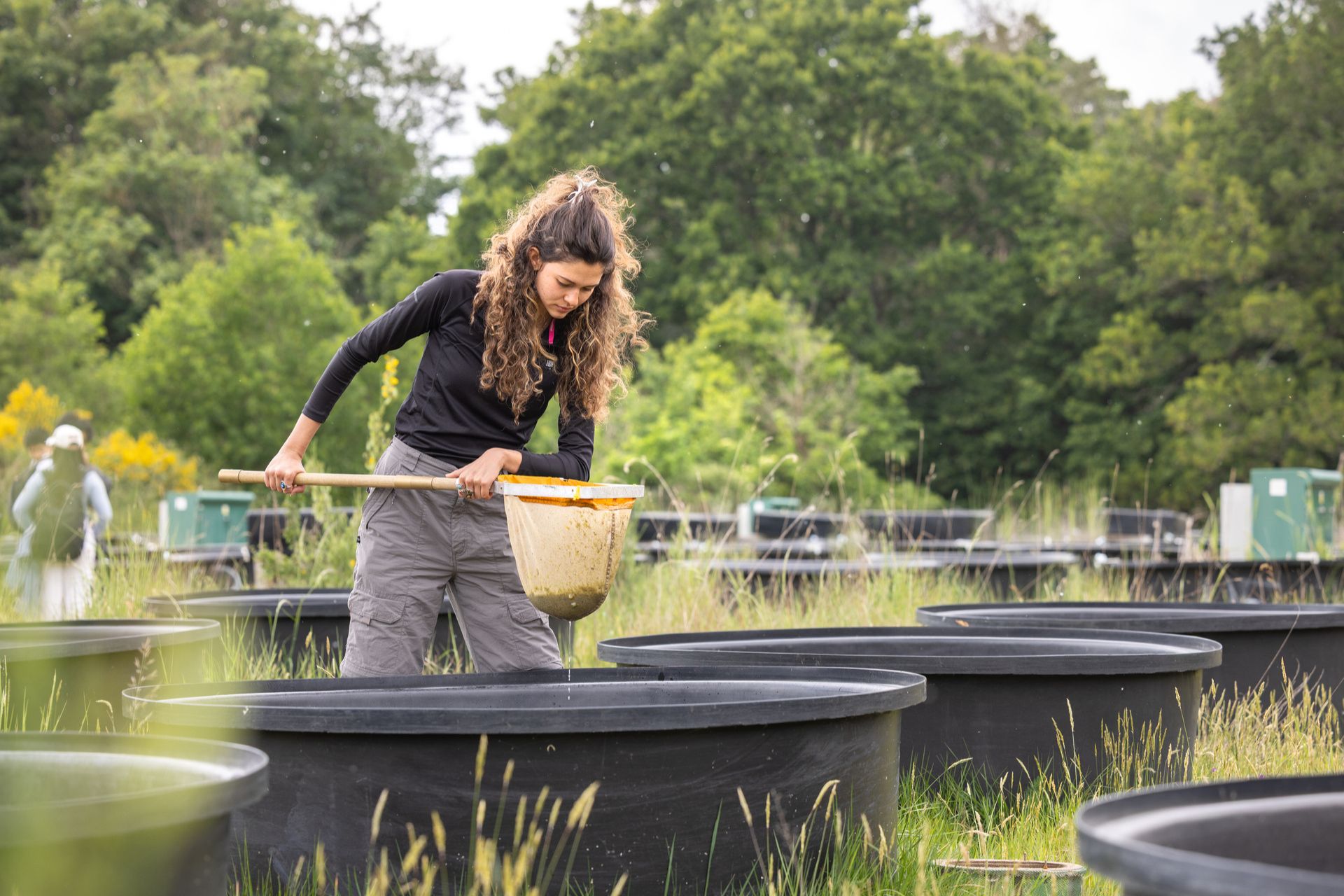
Study at an ecologically rich campus
Silwood Park offers a specialised setting for Life Sciences, featuring diverse habitats such as grasslands, lakes, and woodland. Study ecosystems with our captive mosquito and sparrow populations, bee colonies, and global ecosystem models.
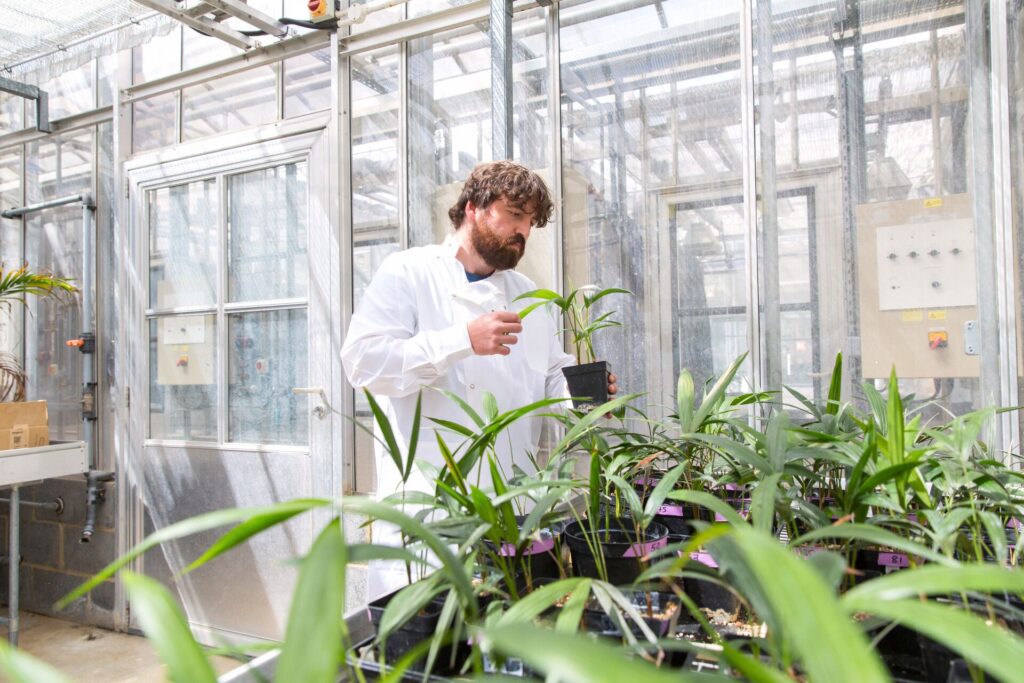
Dynamic research culture
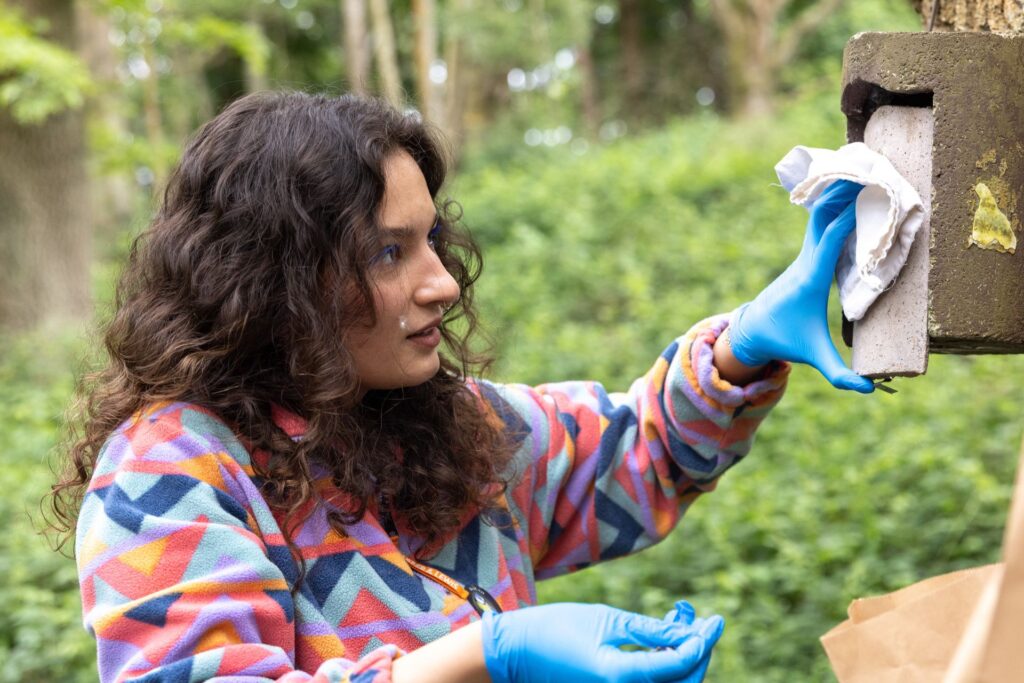
Immerse yourself in a vibrant research community, working closely with leading scientists. Engage in hands-on practical’s, including animal surveys and soil sampling.

Route to a range of fascinating careers
Whether you pursue an MSc or MRes, you’ll gain highly sought-after skills in data analysis and interpretation, bioinformatics, computing and genomics. Many graduates go on to a PhD, while a large number join conservation NGOs.
1
1st in the UK
for research outputs and research environment
REF 2021
2
2nd in the world
University ranking
QS World University Rankings 2027
3
3rd in the UK
for Life Sciences
QS World Subject Rankings 2026
Find the right course for you
Whether you’re interested in discovering more about our living planet or enhancing your research skills, we have a programme that’s right for you.
Ready to apply? The next application deadline closes on 6 January 2027.
Explore Silwood Park

Our ecological and environmental sciences courses are based on this rural campus, offering a unique learning experience surrounded by a vast array of natural habitats.
With 77 hectares of green space, Silwood has been used for nearly a century to study the natural world and as a testing ground for Imperial innovations.
Today, the campus is home to researchers and postgraduate students studying all aspects of life on Earth, from soil microbes to tropical forest trees and from freshwater ponds to coral reefs.
Sign up for more info
How to apply for a postgraduate degree
- Submit your application
Be sure to check our entry requirements and deadlines. Then, when you’re ready, visit our online portal to start your application. Make sure you have the details of your referees and all supporting documents ready. You may also need to pay an application fee. - Track your progress
Use our online portal to stay informed about the status of your application. We’ll also keep you updated via email. - Receive your offer
Congratulations – you’re a giant step closer to studying at Imperial. You will now need to show proof of qualifications and pay your deposit. You may also need to apply for your student visa after we send your Confirmation of Acceptance for Studies (CAS).
Are you ready to begin your postgraduate journey at Imperial?
Application deadlines ↗
Some departments operate a staged application process with several deadlines throughout the year. Round 2 closes on Wednesday 6 January 2027.
Explore scholarships ↗
Use our search tool to see what financial awards are available to support your Imperial journey – and be sure to apply before the deadline.
Living and working at Silwood↗
Discover the history of our rural campus and the world-leading hub for ecology we have become today.